
You’ve been holding onto a jacket, dress, or pair of pants that almost works, but you still can’t decide whether or not it’s worth altering. Maybe it was inexpensive, thrifted, or simply has more years behind it than you expected.
But price and age don’t always tell you if a garment is worth keeping. Strong fabric, secure stitching, and a style you genuinely want to wear can make an overlooked piece a great candidate for tailoring.
Before you decide, grab the garment, turn it inside out, and put it through these five simple checks.
Check the Seam Allowance First
Turn the garment inside out and head straight for a side seam. What’s tucked inside that seam can help determine if there’s enough fabric available for certain alterations.
- Turn the garment inside out.
- Find a side seam.
- Look at how much fabric extends beyond the stitching inside the seam.
A wider seam allowance may provide more fabric with which to work if a garment needs to be let out. A narrow allowance can limit the amount of additional room available, although the garment’s construction and the location of the alteration also matter.
The University of Georgia Extension recommends checking whether or not seam allowances are generous and raw edges are properly finished when evaluating garment construction. It’s a useful detail to inspect before assuming an older or thrifted piece can simply be made larger.
For anyone building a quality-first wardrobe on purpose, this is one of the first clues to whether or not a piece may be a practical candidate for alterations.
Feel and Inspect the Fabric
Next, look at the condition of the fabric itself. Check areas that receive regular wear, including elbows, cuffs, knees, seat areas, underarms, and edges.
Look for:
- Thinning or worn areas.
- Fraying or weakened fabric.
- Permanent discoloration.
- Damage around existing seams.
- Areas that have stretched or lost their original shape.
The fabric needs to be considered alongside the alteration. Moving a seam into an already weakened area, for example, may not produce the same result as working with fabric that’s still in good condition.
This check has less to do with how soft the fabric feels against the skin and more to do with whether or not the garment itself remains in suitable condition for additional work.
Look at the Original Stitching Quality
Flip the garment inside out again, this time to study how it was actually put together. Even, secure stitching and properly finished interior seams can provide useful clues about its construction.
The New Mexico State University Extension’s clothing construction standards identify secure, straight stitching, appropriate stitch tension, flat seams, and protection against raveling among the characteristics of quality garment construction.
Look for:
- Even, secure stitches without skipped stitches or loose loops.
- Interior seams finished appropriately for the fabric and garment.
- Minimal fraying or unraveling around existing seams.
- Seams that lay relatively flat rather than showing significant puckering or distortion.
Choosing or keeping a piece that’s still well constructed can give a tailor a better starting point. This same check is also worth running at the thrift rack before a piece even comes home.
Check if It’s Already Been Altered
Look closely for signs that someone has already been inside the garment with a needle. A hemline that doesn’t match the rest of the stitch pattern is one clue. Stitching that changes tension or spacing partway around a seam can be another.
Check for:
- A hem that looks stitched differently than the rest of the garment.
- Tension or spacing that shifts partway around a single seam.
- Extra fabric folded and tucked somewhere that seems unusual.
- A seam with visible stitch holes or an old crease from a previous alteration.
None of this automatically disqualifies the piece. It just changes the conversation to have with whoever ends up doing the work. Previous alterations can affect how much fabric remains available and whether or not old stitch or crease lines will be visible after another adjustment.
Identify Which Kind of Fit Problem You Have
Not every fit problem carries the same weight, and this is where the real question – is it worth altering clothes – starts to get answered. One localized adjustment can be very different from changing several areas of the same garment.
One-Spot Problems
- Pants that run too long.
- A waistband that feels loose.
- A sleeve that extends farther than you’d like.
Multiple Problems at Once
- Tight shoulders paired with a loose waist on the same jacket.
- A sleeve that’s both too long and too wide.
- Several major areas that need adjustment at the same time.
Counting how many separate problems need to be addressed before committing to the work gives a clearer picture of how involved the alteration may be.
Fox Cleaners covers how a simple hem or waist adjustment can give new life to an older favorite, making professional assessment useful when a garment still has plenty of wear left but no longer fits the way it should.
Not Sure What Needs Adjustment? Bring Your Garment to Fox Cleaners
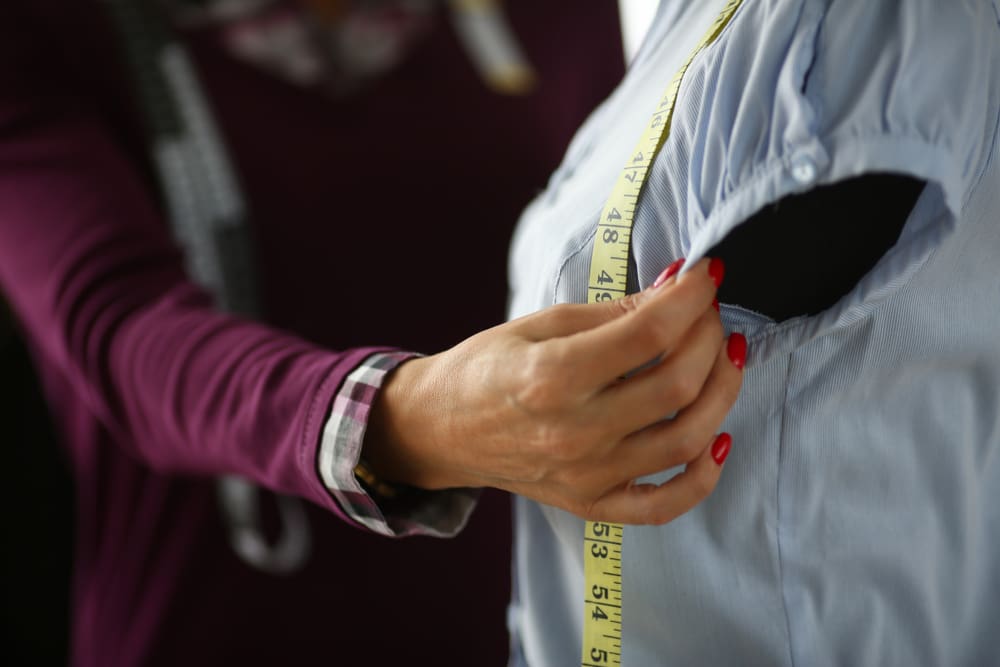
A suit that feels too loose, too long, or slightly off in certain areas doesn’t automatically need extensive alterations. A professional fitting can help determine which adjustments make sense based on the construction and current fit of the garment.
If you’re in Dayton and searching for tailoring, Fox Cleaners offers professional alterations and tailoring for suits, dresses, and everyday garments. We handle hems, sleeves, waist, seat adjustments, and other fit changes for customers in Dayton and across our other locations and service areas.
Bring your suit or other almost-right garment to Fox Cleaners and let us assess the fit before the work begins.
Address: 4333 N. Main St., Dayton, OH, 45405
Phone: (937) 807-4136
Email: info@thefoxcleaners.com