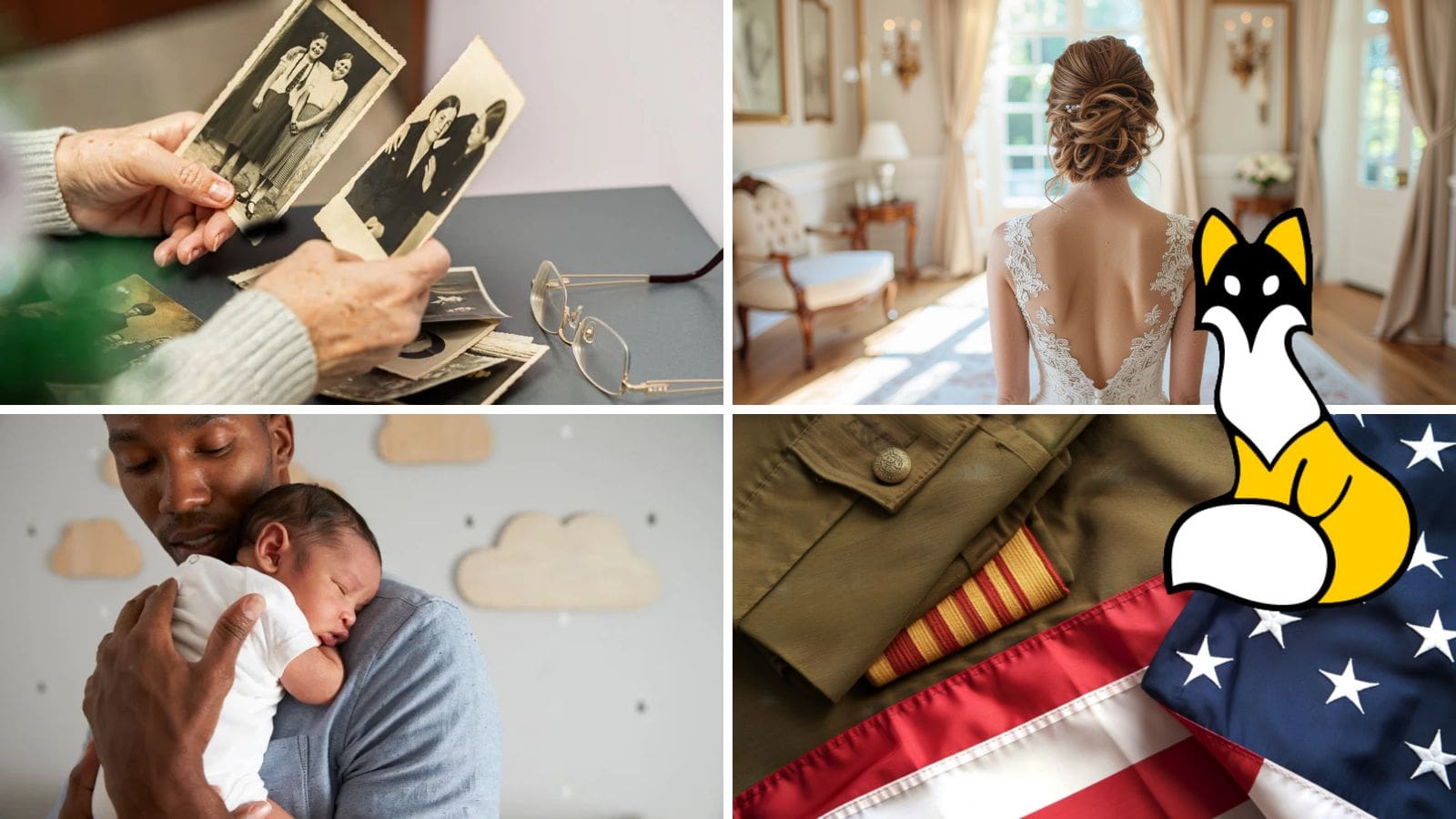

Every closet holds two kinds of clothing. Near the front are the pieces you wear on repeat: the blazer that fits just right, the trousers that never wrinkle, the coat you picked out because it felt like you. Toward the back is where the real story lives. That’s where you’ll find a wedding dress still zipped in its garment bag, a father’s or grandfather’s military uniform, or the baby blanket your child refused to sleep without. These aren’t just clothes. They’re proof that something mattered.
Keeping those pieces intact for the next ten, twenty, or fifty years takes more than a spare hanger and good intentions. It takes an understanding of what dry cleaning, preservation and restoration actually do, and why they’re built for jobs your washing machine was never designed to handle.
How Dry Cleaning Works
Dry cleaning uses liquid, even though its name suggests otherwise. Instead of washing garments primarily in water, the process uses a specialized solvent that removes oils, body soil, and other residues while reducing the risks water can pose to certain fabrics, dyes, and garment structures. Each item also receives hands-on attention before and after the machine cycle.
Here is what typically happens:
1) Inspection and preparation
A cleaner reads the care label, checks pockets, examines buttons and seams, and notes visible stains. They may protect or remove delicate trims before cleaning.
2) Targeted stain treatment
The cleaner identifies the stain and selects a treatment suited to both the substance and the fabric. Wine, ink, oil, and grass require different approaches, so one spotting method cannot safely handle everything.
3) Solvent cleaning
The garments tumble inside a sealed machine while filtered solvent circulates through the load. The solvent works especially well on oil-based soil without saturating the fibers with water. The machine then extracts and recovers the solvent through a controlled drying cycle.
4) Pressing and reshaping
After cleaning, a finisher uses steam, pressure, and garment-specific equipment to restore the original drape, seams, pleats, and structure. This step does more than remove wrinkles; it helps the garment regain its intended shape.
5) Final inspection
Before packaging, the cleaner checks the garment again for remaining stains, loose buttons, uneven pressing, and overall finish.
Dry cleaning combines controlled solvent cleaning with skilled inspection, stain treatment, and finishing. Together, these steps protect details a standard wash and dry cycle may distort, shrink, or flatten.
Why a Washing Machine Can’t Do This Job
Home washers weren’t built with a hand-beaded gown or a wool military uniform in mind. Water swells natural fibers, strains delicate seams, and can lock in a stain permanently if it meets the wrong water temperature. A home dryer does its own damage from there – shrinking wool, cracking sequins, and warping structured pieces such as blazers and gowns.
Handing a treasured piece to a professional dry cleaner trades that guesswork for a process built around fabric type, construction, and the kind of damage that’s genuinely hard to undo once it happens.
Fabric Restoration: Rescuing Smoke, Mold, and Odor Damage
Smoke, mold, and persistent odors can move beyond the fabric’s surface and settle into its fibers. At Fox Cleaners, restoration begins by identifying the source, inspecting the material, and choosing a treatment that suits the item’s condition. When appropriate, trained specialists may use controlled ozone treatment to break down odor compounds instead of masking them with fragrance.
Restoration may help recover:
- A coat exposed to smoke during a house fire
- A uniform stored in a damp basement
- A quilt carrying a musty attic odor
- Other sentimental textiles affected by long-term storage
Not every damaged item can return to its original condition. However, a professional assessment can show whether or not cleaning and odor treatment may make an irreplaceable piece usable again.
Garment Preservation: Protecting Wedding Dresses and Family Heirlooms
Preservation is a different service from routine cleaning, built for garments you’re storing rather than wearing again anytime soon. Wedding Dress Cleaning and Preservation Service at Fox Cleaners includes a museum-quality box, acid-free tissue, and a bust form that holds the shape of the dress instead of letting it collapse into permanent creases over the years.
The same principle applies well beyond bridalwear. Fox Cleaners regularly preserves:
- Wedding and bridesmaid gowns
- Military dress uniforms
- Christening and communion gowns
- Quilts, linens, and other family heirlooms
- Sentimental children’s clothing, including baby blankets
Correct long-term storage means acid-free materials, a stable spot away from light and humidity, and packaging that lets fabric breathe instead of trapping moisture against it.
Protect the Pieces You Want to Keep for Years – Trust Fox Cleaners
Guilt has a way of piling up right alongside the clothes at the back of your closet. Every season you put it off, the risk of yellowing, fiber breakdown, or moth damage climbs a little higher.
Fox Cleaners makes finding dry cleaning near you the easy part. Our concierge route service comes through your neighborhood every week and picks up items right from your doorstep. Prefer to drop in yourself? One of our convenient locations is ready when you are.
Whatever’s waiting at the back of your closet, whether it needs restoration or simply needs to be preserved for the next fifty years, Fox Cleaners is built to handle it.
Schedule a pickup or stop by today, and take that treasure off your worry list for good.
Address: 4333 N. Main St., Dayton, OH, 45405
Phone: +1 937-807-4136
Email: info@thefoxcleaners.com
Quick Answers About How These Services Work
1. Is dry cleaning actually dry?
A: Mostly, yes. The process is called “dry” because it skips water, not because zero liquid touches the fabric. The solvent evaporates quickly and doesn’t carry the fiber-swelling risk like water, which is why silk, wool, and rayon tend to hold their shape and color so much better after dry cleaning than after a home wash.
2. How long does a cleaning cycle actually take?
A: The solvent cycle itself usually runs 30 to 45 minutes. The full turnaround, including inspection, spotting, pressing, and a final quality check, typically takes a full business day at most cleaners. Rush service can shorten that when you need something back sooner.
3. Can dry cleaning remove every stain?
A: No single method removes every stain, and a cleaner who promises otherwise is overselling. Fabric type, stain age, and what caused it all affect the outcome, which is exactly why a hands-on inspection before cleaning matters as much as the cleaning process itself.
4. How do you know when a garment needs restoration instead of routine cleaning?
A: If a piece carries a smell that lingers after a regular wash, shows discoloration from age or water damage, or has been stored somewhere damp or smoke-affected, it’s past the point routine cleaning can fix. That’s the signal to ask specifically about restoration rather than a standard cleaning ticket.
5. What’s the difference between cleaning and preserving a garment?
A: Cleaning removes stains, oils, and other residues from a garment, while preservation prepares it for safe long-term storage. Preservation typically involves cleaning first, followed by careful packaging with archival materials that help protect the fabric from yellowing, moisture, light, and permanent creasing. It’s especially valuable for wedding dresses, military uniforms, christening gowns, and other sentimental pieces you plan to keep rather than wear regularly.